
Estonia finalises its Early Childhood Education Agreement for 2027–2031
Estonia’s Early Childhood Education Agreement 2027–2031 sets out six principles and three proposals to give every child a good environment in which to develop and timely support, wherever they live and whoever runs their setting.
What should children and families be able to expect?
The agreement starts with a child’s everyday experience in an early childhood centre or childcare setting. Educators regularly observe the child’s strengths, progress and developmental needs and build a shared understanding with parents. They adapt daily teaching and the setting to suit the child. If further support is needed, families should know who will arrange it and when it will reach their child. These expectations should apply wherever the child lives and whoever runs their setting.
The six principles cover regular observation of development, timely support, quality families can understand, the working conditions of teachers and leaders, cooperation with families and the use of resources in children’s interests. The agreement makes three proposals to put those principles into practice.
1. Agree on a common basis for observing development and assessing quality
Estonia should agree on what to look for in a child’s development and how to assess the quality of early childhood education. A shared framework would help educators and families discuss progress and give families more comparable information about settings. Providers would remain free to choose approaches suited to their children and team. Quality depends on skilled, well-supported educators and strong leadership.
2. Provide timely support for children and good working conditions for teachers and leaders
If a teacher notices that a child might need support with speech, for example, the family should know whom to talk to, who will arrange support and when to expect the next step. The agreement proposes setting out responsibilities, how people work together and timelines. Teachers and leaders need time, knowledge and access to an effective support team.
3. Make funding transparent and use evidence to plan provision
Local and national decision-makers need comparable information on the true cost of each place and the environment and support it offers. Planning should take account of changes in the number of children and what families need locally, as well as every setting that meets quality requirements and can serve those needs.
How did the agreement come together?
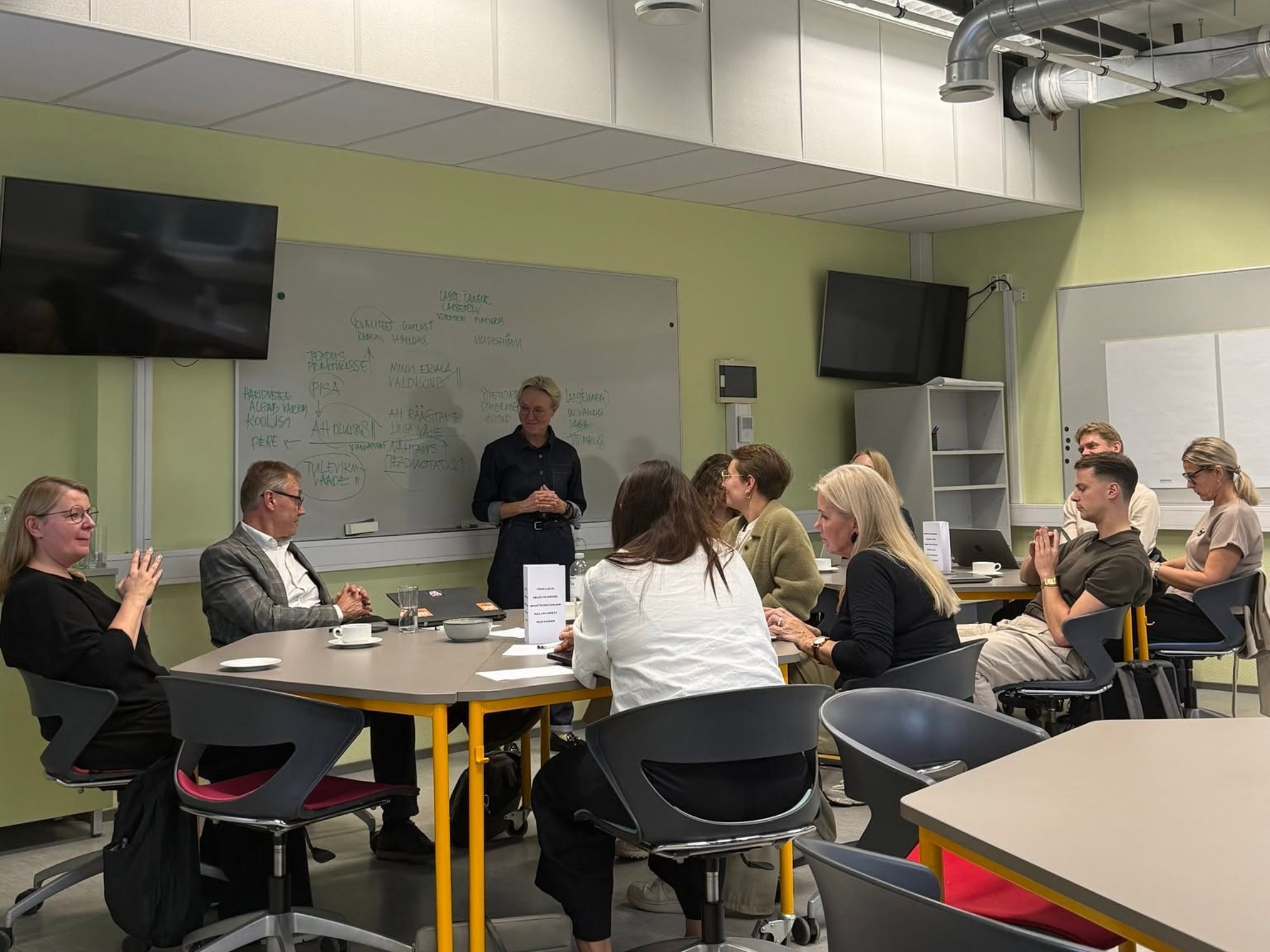
The work began with early childhood education discussions at the 2026 Opinion Festival and continued at the 9 September workshop. Proposals and feedback helped refine both the shared principles and the steps expected of decision-makers. The agreement calls on political parties and policymakers to make early childhood education a priority during the next term of government.
Explore the agreement in English →