From a workshop to shared principles
The September workshop continued the conversation that began at the Opinion Festival. Participants considered how to bring the most pressing needs in early childhood education to decision-makers before Estonia’s 2027 parliamentary elections.
Taking up the questions raised in Paide
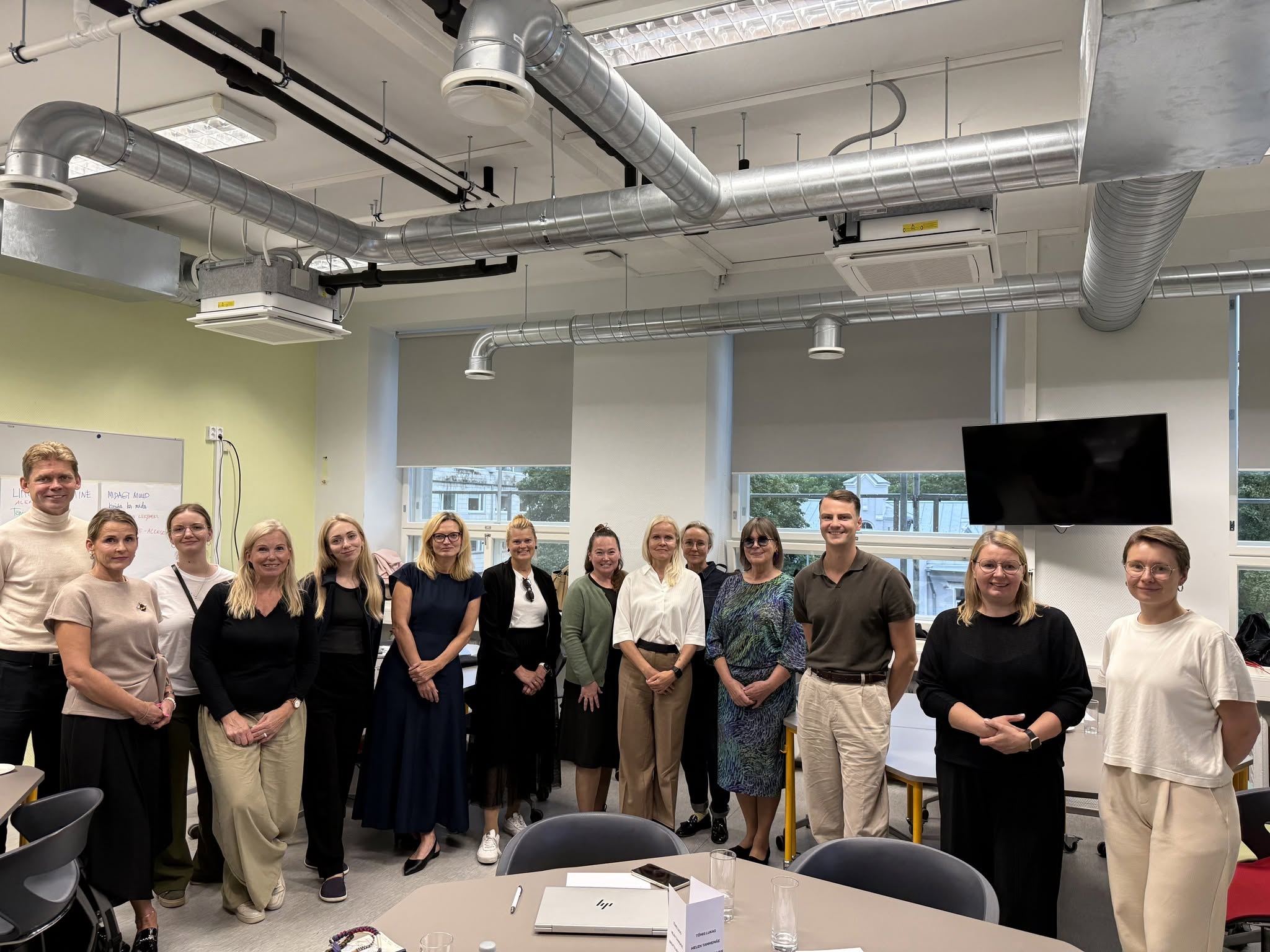
People who took part in the Opinion Festival’s early childhood education discussions were invited to meet on 9 September. They began by reviewing the ideas raised in Paide and asked whether people with different experiences and perspectives could agree on priorities to present to political parties and policymakers before the 2027 parliamentary elections.
Three shared starting points
Early childhood education needs a shared voice. Parents see how their children feel in a setting and what support families receive. Teachers and leaders see what their teams need to support children every day. Local authorities and sector associations have a role in organising services. Agreeing on shared priorities helps them bring common problems to decision-makers.
Children’s experiences reveal the quality of provision. Having a place matters, and so does what children experience there. Can teachers observe their development regularly? Do families know how they can help shape that support? Can children see a specialist when they need one? Participants agreed that children need good opportunities in both early childhood centres and childcare settings, whoever runs them.
What we know should inform education decisions. Participants considered how to make early identification and support work in practice. This means setting out who is responsible, what families and providers can do and how existing staff and services are used.
How shared priorities became a plan
The workshop proposed setting up a working group and drafting a joint statement from sector associations. Priorities included regularly observing children’s development, following up on identified needs with practical support and linking funding to quality. Participants also discussed involving parents and parent councils and keeping early childhood education on the public agenda after the election.
Further proposals and feedback helped refine the priorities and the steps expected of decision-makers. The result was Estonia’s Early Childhood Education Agreement 2027–2031, with six principles and three proposals.